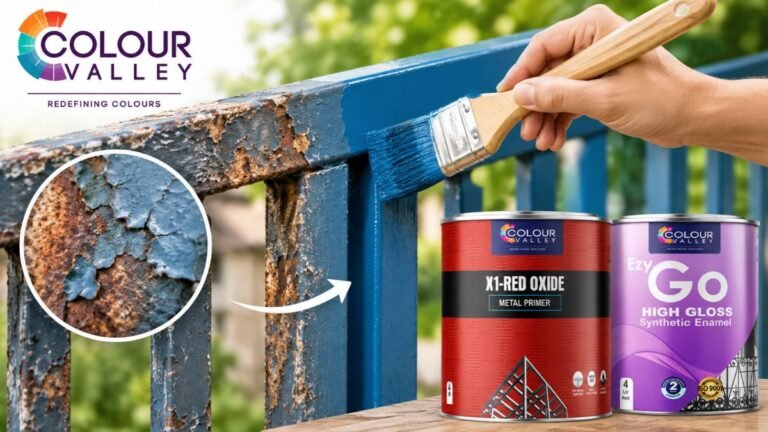
Paint peeling on metal causes the surface to deteriorate further. On surfaces where rainwater remains for a long time, such as joints and lower rails, paint damage occurs more often.
We all know that paint has various layers on a particular surface. Therefore, even small damage requires prompt attention to protect the deeper layers of the paint.
Here, the proposed coating system plays a bigger role. First, you need to identify the metal and the reason behind the coating damage. If everything aligns with your proposed coating system, then only it will work.
Why Does Paint Lose Its Grip on Metal?
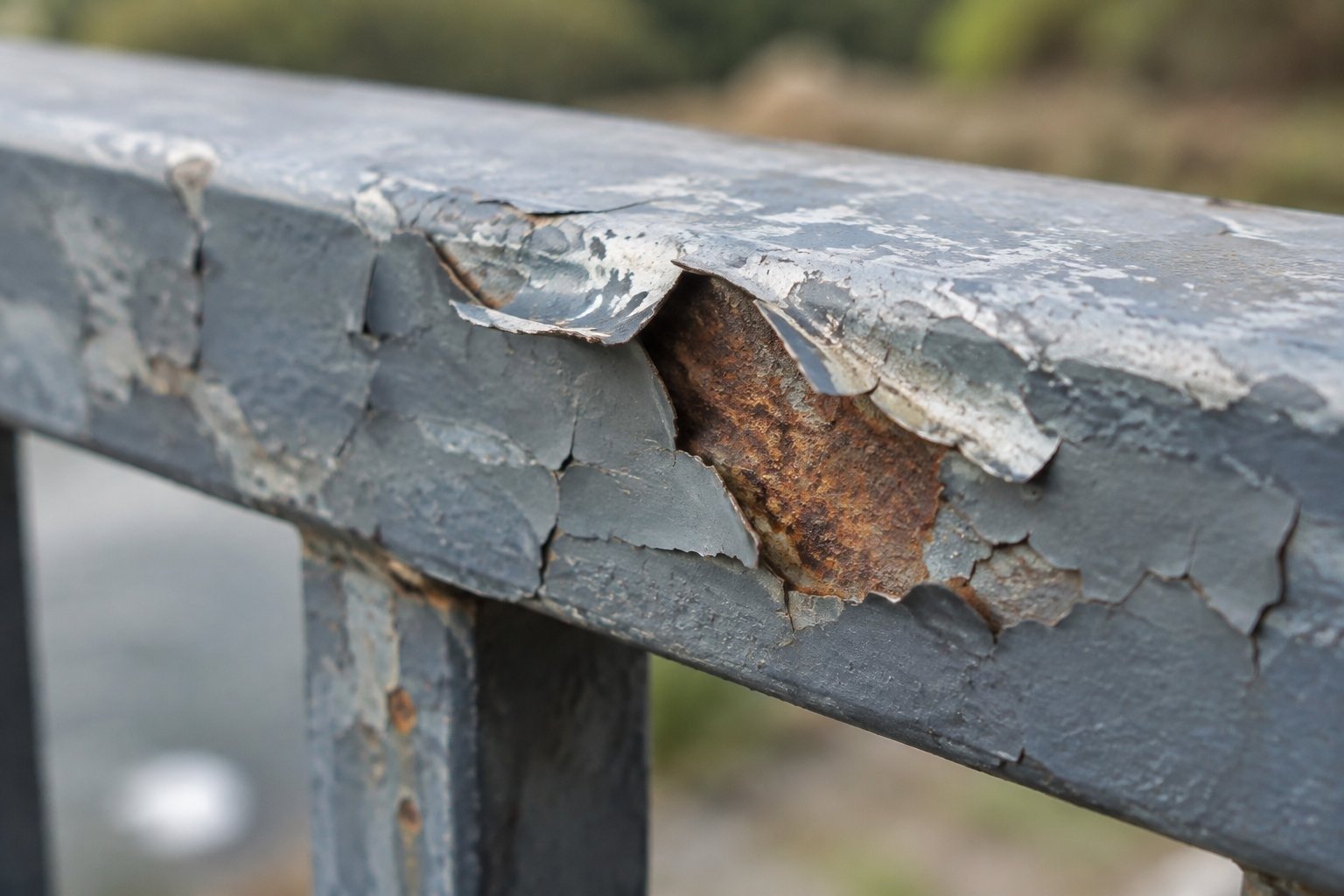
Exposure to air and water is a big reason behind paint peeling on metal. Also, unsuitable application may cause paint peeling. You need to identify the exact failure that caused the damage to take the right steps.
Rust, Oil and Inadequate Surface Preparation
Rust comes with exposure to weather. However, if you remove the rust and paint, there is a chance that it will be unstable.
Beneath the paint, proper oil coating is required. Also, check for corrosion beneath the coating without disturbing the old paint. Inadequate oil on the surface is not ideal for the new paint.
Missing Primer and Incompatible Coatings
Primer is an important part of painting. Some products offer primer-free applications, but those are specific and rare.
A missing or unsuitable primer leaves the finish exposed to corrosion. On top of that, incomplete coating causes poor adhesion. An unnecessarily strong coating may soften the older layer of paint. So, before you use a particular solvent, try to consider the proposed system.
Condensation, Heat and Incorrect Recoating Times
Condensation leaves moisture on metal even when the surrounding weather feels dry. Paint applied over this moisture starts with a compromised interface.
Excessively hot metal accelerates surface drying and disrupts film formation. Recoating too early traps solvent or disturbs the underlying coat; exceeding a specified maximum interval sometimes requires additional abrasion before the next application.
Why is fresh paint peeling off my metal door?
Fresh paint peeling off metal points towards contamination, trapped moisture, unsuitable preparation, or coating incompatibility. We suggest checking whether the new coat separates from the old finish or whether the whole system lifts from bare metal, as that distinction helps locate the failure.
Can You Repair a Patch or Must You Strip the Surface?
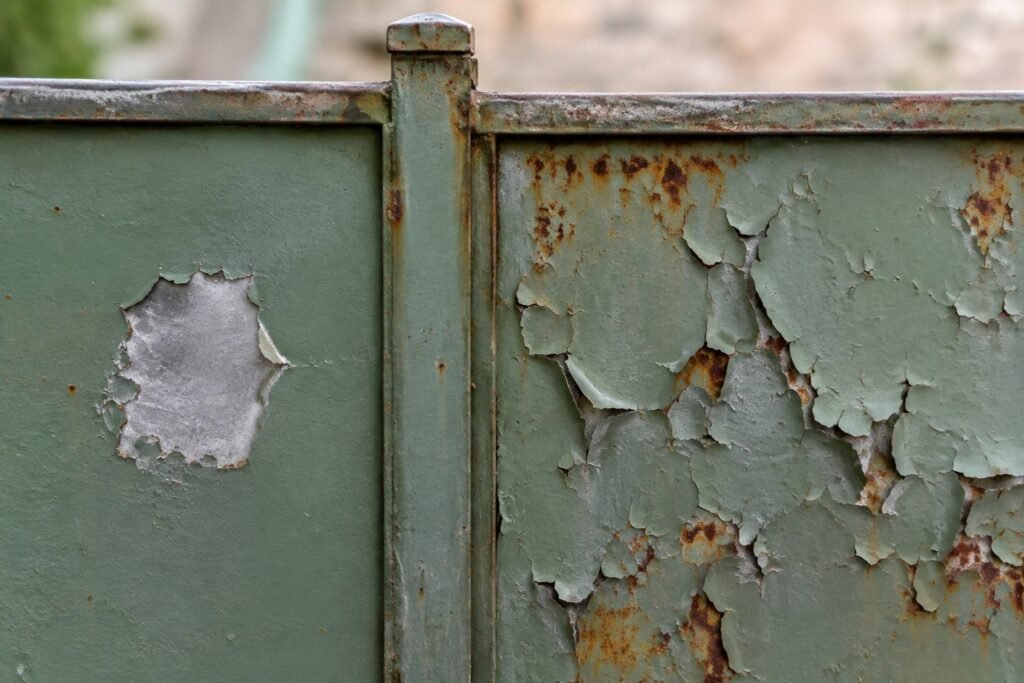
We usually detach the whole patch or layer. However, it is not always the right choice. You ned to know the surface, metal type, and coating components.
Check the Metal Type and Existing Coating
Identify whether the metal is iron, mild steel, galvanised steel or aluminium. So, why do you need to know the metal type?
Think about it! If you have aluminium, you need extra preparation suited for an oxide-covered surface. On the other hand, if you have galvanised steel, it already has a protective zinc layer, so you do not need that extra layer of coating.
You can use a magnet to distinguish between aluminium and steel, but you cannot separately identify galvanised steel and alloy. For that, you need to check the fabrication records or ask the supplier directly to know it.
Can I use red oxide primer on galvanised metal?
We recommend red oxide primer on galvanised metal only when the exact product explicitly approves that substrate. The red oxide description alone establishes no such approval, and conventional alkyd systems risk failure when applied directly to zinc.
Identify Sound Paint, Loose Edges and Hidden Corrosion
After you have successfully identified the metal type, inspect the visible flake for cracked paint and rust stains. Local removal is possible only when the surrounding finish is intact. But if you see that the new paint is lifting as you start working, it is better to extend the prepared area with professional help.
They will suggest how to peel, what product to use for your metal, and, in fact, the entire process.
Recognise When Extensive Rust Needs Professional Assessment
We have seen many get confused about whether they need professional help or can follow a localised process. Unfortunately, they end up making the wrong decisions because they don’t understand the signs of paint peeling.
To stop paint peeling on metal, you require an understanding of deep pitting, perforation and metal loss before you take any step. We recommend you talk to a qualified fabricator or appropriate building professional who has experience in corrosion removal.
Can I paint over peeling paint on a metal gate?
We recommend removing every loose section before repainting a metal gate. Paint only after thoroughly checking the metal’s condition and compatibility, then prime the exposed metal.
How Do You Prepare Metal Before Repainting?
Preparing metal before painting is easy, but most people fail to make it happen. The reason is the lack of thorough assessment and degreasing. So, understand the surface, properly observe it, and remove hazards in a controlled situation.
Thorough cleaning is also required, and always aim for a dry and stable surface based on your chosen coating.
Use Protective Equipment and Assess Old Paint Before Disturbing It
While assessing older paint, try to use protective equipment such as eye protection, gloves, and respiratory protection. Paints may contain lead, so follow the local disposal methods to avoid uncontrolled dry sanding and heat stripping.
Degrease Before Abrading the Surface
Remove grease before sanding. This is more of a clinical process, which means you need to be very careful. Also, use a cleaner that is approved particularly for the substrate and coating system.
Remove Failed Paint and Rust Without Damaging the Metal
There is a thin line between the metal and rusted metal. While removing rust from the metal, you need to be very careful with your working process. Take help from professionals who know how to do it.
It requires suitable scrapers, abrasives, or controlled mechanical tools. Do not go for aggressive grinding. Protect the zinc over galvanised steel by removing rust smoothly. Acid treatments and rust converters also need to be explicitly compatible with the proposed primer.
Feather the Edges, Remove Residue and Dry Thoroughly
Feathering means sanding the transition between retained paint and exposed metal into a gradual slope. This reduces the visible repair ridge and gives the new coating a smoother foundation.
Remove dust with suitable extraction and the cleaning method specified for the system. Check seams and recesses for trapped liquid before priming. On prepared bare steel, apply primer promptly within the product’s conditions to limit fresh surface rust.
Which Primer Suits Your Metal Surface?
The right metal primer as a metal surface treatment depends on the substrate and topcoat. So, the adhesion requirements on galvanised steel and aluminium need to be a separate discussion from rust protection on metal.
Anti-Rust Primers for Iron and Mild Steel
Though there are anti-rust primers available in the market, it always requires the basic rust removal. So, don’t expect to apply it directly without preparation and get a 100% result.
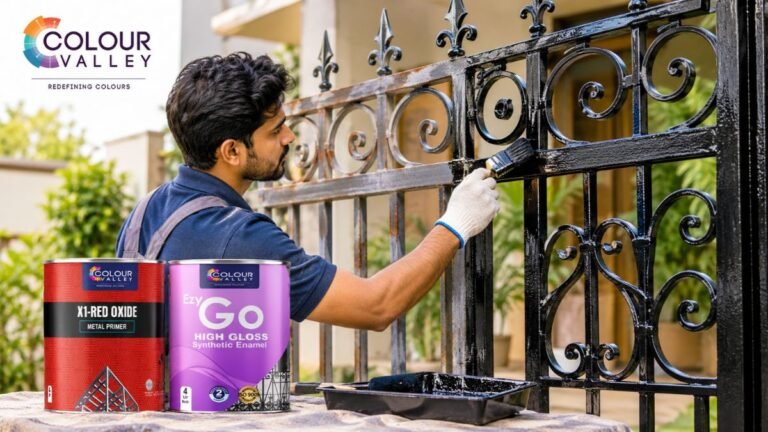
Our wood-and-metal range at Colour Valley Paints includes X1 Red Oxide Metal Primer. Confirm its current substrate approval, preparation requirements and compatibility with your selected finish before purchase.
Approved Bonding Systems for Galvanised Steel and Aluminium
According to the American Galvanizers Association, proper surface preparation and profiling are essential for achieving effective paint adhesion on galvanized steel. For galvanised steel and aluminium, you need approved products that work well on those surfaces. Preparation criteria include-
- Oil
- Oxidation
- Factory-applied treatment
Direct application of conventional alkyd coatings onto galvanised zinc can be risky. All you need to do is choose an approved bonding primer that is compatible with the finish and also follow the pretreatment requirements suggested by the consultant.
When Is a Self-Etching Primer Appropriate?
When you choose a self-etching primer, we suggest selecting one that matches your metal and coating system. However, don’t treat it as a universal solution.
Some systems require an additional primer layer before finishing. On the other hand, some topcoats are strict about such primer. So, decide only after consulting with an expert and follow the sequence.
How Should You Apply a Compatible Topcoat?
Apply metal paint as part of a confirmed coating system, using the specified application method and coverage. Successful painting of metal also requires sufficient drying time between coats and protection while the finish cures.
Match the Metal Paint to the Primer and Exposure
Select the finish for the actual service conditions, including outdoor weathering, handling or specialist chemical exposure. Ordinary wall emulsion should only be used where its instructions explicitly approve the metal application and preparation system.
Our range includes Ezy Go High Gloss Synthetic Enamel as an option, subject to confirmed substrate approval and primer compatibility. For harsh commercial environments, ask for a system specification covering the full exposure.
A product described as rust prevention paint still needs its approved preparation and coating sequence. Check those details against the gate, grille or metalwork being painted.
Follow Specified Film Thickness and Recoat Windows
Apply each coat at the manufacturer’s stated spreading rate or film thickness. Excessively heavy application encourages runs and solvent retention, while insufficient thickness leaves weak protection.
Use the approved thinner only where permitted, at the stated proportion. Contractors should check wet film thickness when the specification requires it. Record application conditions and observe both minimum and maximum recoating intervals.
Check Adhesion on a Trial Area and Allow Proper Curing
A representative trial area helps reveal lifting, wrinkling or other visible compatibility problems before a full repaint. Prepare and coat the trial using the intended system, then allow the stated interval before assessment.
Informal scratch or tape checks provide limited evidence and do not guarantee long-term performance. Specified projects need an agreed adhesion-test method and acceptance criteria.
Touch-dry paint has reached only an early drying stage. Keep freshly painted doors and gates clear of rubbing contact and washing until the instructions permit normal service.
How long should metal primer dry before painting?
We advise following the exact primer’s stated minimum and maximum recoating times under the actual application conditions. Touch dryness does not establish readiness for topcoating, and an exceeded recoat window sometimes requires further preparation.
How Can You Prevent Peeling Through Indian Weather?
We recommend planning application around surface conditions and maintaining vulnerable details before corrosion spreads. Indian summer heat and monsoon humidity demand careful scheduling, even when you have chosen an exterior rust prevention paint.
Avoid Dew, Rain and Excessively Hot Metal
Paint only when the metal temperature, humidity and weather forecast meet the product’s limits. A shaded air-temperature reading does not describe a sun-heated gate or roof-mounted railing.
Allow morning condensation to clear completely before starting. During monsoon periods, leave enough rain-free time for the specified drying stage, including protection from overnight dew. Use the manufacturer’s dew-point guidance where supplied.
Protect Edges, Welds and Moisture-Trapping Joints
Sharp edges and irregular welds are difficult places to maintain consistent film coverage. Have fabrication defects corrected where necessary, then give these details the preparation required by the coating specification.
Some systems call for a stripe coat, an additional application along edges and welds before full coating. Keep drainage openings clear and correct joints that hold water. Use sealants only where their location and coating compatibility have been approved.
Inspect and Touch Up Damage Before Corrosion Spreads
Check metalwork before the monsoon and after damage from impact or building work. Lower gate rails and water-collecting joints deserve particular attention.
Clean and repair chips promptly using the compatible preparation and coating system. In coastal or heavily polluted locations, follow the coating supplier’s cleaning advice to remove deposits. Keep product names and application records so future repairs use known materials.
Lasting Protection Starts With Preparation and Compatibility
To stop paint peeling on metal, treat peeling as a failure before you start painting. Know your metal type, and remove unstable material from the surface with metal paint remover. Then select a suitable primer and the particular metal paint.
When it comes to paint selection, you can check out the product range by contacting our team. We will learn what you need and the current condition of your metal, then provide a paint-peeling solution for metal. Keep the selected products’ current preparation, recoating and curing instructions available to your painter throughout the work.